

If you have been curious about getting into cryptocurrencies but felt overwhelmed by the complexity of it all, you are not alone. Most people who want to buy Bitcoin or Ethereum for the first time hit the same wall: where do you even start? Which platform is actually safe? How do you know you are not going to lose everything to a scam or a badly designed interface?
That is exactly where Coinbase comes in. It has become one of the most recognized names in the crypto world, not just because of its size, but because it genuinely manages to make digital assets feel accessible. Whether you are someone who has never touched a cryptocurrency in your life, or someone who has been dabbling in it for a while and wants a more reliable platform, Coinbase deserves a serious look.
In this guide, we are going to walk you through everything you need to know about the Coinbase cryptocurrency exchange. We will cover what it actually is, how to open an account step by step, how transactions work, what fees you should expect, the real advantages and limitations of the platform, and practical tips that can help you make smarter decisions when buying or selling crypto.
By the time you finish reading, you will have a clear, honest picture of whether Coinbase is the right fit for your financial goals.

What Is Coinbase and Why Does It Matter?
Coinbase is a digital currency exchange platform that allows individuals and institutions to buy, sell, store, and manage cryptocurrencies. It was founded in 2012 with a straightforward mission: make it possible for anyone, anywhere, to send and receive Bitcoin without needing a technical background or a financial intermediary standing in the way.
That original idea has grown into something much larger. Today, Coinbase operates in more than 100 countries, serves tens of millions of verified users, and processes hundreds of billions of dollars in quarterly trading volume. It went public on the Nasdaq stock exchange in 2021, which was itself a landmark moment for the broader cryptocurrency industry.
What makes Coinbase stand out in a crowded market is not just its scale. It is the combination of regulatory compliance, strong security practices, and an interface that does not require you to have a computer science degree to navigate. In a space where plenty of exchanges have collapsed or been compromised, Coinbase has maintained a relatively clean record, which matters enormously when you are talking about real money.
Which Cryptocurrencies Can You Trade on Coinbase?
Coinbase supports a wide and growing list of digital assets. At the core, you will find the major players that most people recognize:
- Bitcoin (BTC) - the original and most widely held cryptocurrency
- Ethereum (ETH) - the foundation of decentralized applications and smart contracts
- Litecoin (LTC) - designed for fast, low-cost transactions
- Dogecoin (DOGE) - originally a meme coin that gained serious traction
- Bitcoin Cash (BCH) - a fork of Bitcoin with larger block sizes
- Solana (SOL), Polygon (MATIC), Chainlink (LINK), and dozens more
The platform regularly adds new assets as they pass its listing review process, which evaluates security, compliance, and technical standards. So the selection continues to expand over time.
You can explore the full and current list of supported assets directly on the Coinbase Explore page.
A Brief History of Coinbase: From Startup to Industry Leader
To understand why Coinbase is trusted the way it is, it helps to know where it came from. Brian Armstrong and Fred Ehrsam co-founded Coinbase in San Francisco in 2012. At the time, Bitcoin was still a niche technology mostly discussed in online forums and cypherpunk communities. Getting your hands on any was complicated, and doing so safely was even harder.
Coinbase changed that by building a bridge between the traditional banking world and the emerging world of digital assets. It was one of the first platforms to let you connect your bank account and buy Bitcoin directly, without needing to go through obscure peer-to-peer networks.
The company grew steadily through the mid-2010s as cryptocurrency began entering mainstream conversation. By the time the crypto bull market of 2017 happened, Coinbase was already firmly established as the go-to entry point for new investors in the United States.
Its 2021 Nasdaq listing under the ticker symbol COIN was seen by many as a signal that cryptocurrency had arrived as a legitimate financial sector. The company's S-1 filing revealed the massive scale of its operations and introduced Coinbase to a new audience of traditional investors.
Today, Coinbase continues to expand its product offerings, regulatory relationships, and geographic reach, even as the crypto market goes through its inevitable cycles of boom and contraction.
How to Open a Coinbase Account: Step-by-Step
Getting started on Coinbase is one of the more straightforward processes you will encounter in the crypto world. Here is a realistic, step-by-step breakdown of how it works.
Step 1: Visit the Official Coinbase Website
Go to www.coinbase.com and click on the "Get started" button. You will be asked to provide your full name, email address, and a password. Choose a strong, unique password that you do not use anywhere else.
Step 2: Verify Your Email Address
After submitting your registration details, Coinbase will send a verification email to the address you provided. Click the link inside that email to confirm your account. This step is mandatory before you can proceed.
Step 3: Provide Your Phone Number
Coinbase requires a phone number for two-factor authentication (2FA). You will receive a text message with a verification code. Entering this code activates an extra layer of security on your account, which is something you genuinely want in place.
Step 4: Verify Your Identity
This is the step that surprises some people, but it is a legal requirement. Coinbase, like all regulated financial platforms, must comply with Know Your Customer (KYC) regulations. You will need to submit:
- A government-issued photo ID (passport, driver's license, or national ID card)
- A selfie or short video for facial recognition
- Your date of birth and residential address
Verification can take anywhere from a few minutes to a couple of days depending on your location and the volume of requests at the time. For most users in supported countries, it is usually completed quickly.
Step 5: Link a Payment Method
Once your identity is verified, you can add a payment method. Your options typically include:
- A bank account (via direct link or bank transfer)
- A debit card
- A credit card (note that fees are higher for credit card purchases)
- PayPal (available in select regions)
- Wire transfer for larger amounts
Linking a bank account directly is generally the most cost-effective option for regular purchases.
Step 6: Start Exploring
With your account funded, you now have access to the full Coinbase dashboard. You can browse available assets, check live prices, set up recurring buys, and start building your portfolio. New users also typically receive a small welcome bonus in cryptocurrency after completing qualifying actions on the platform.
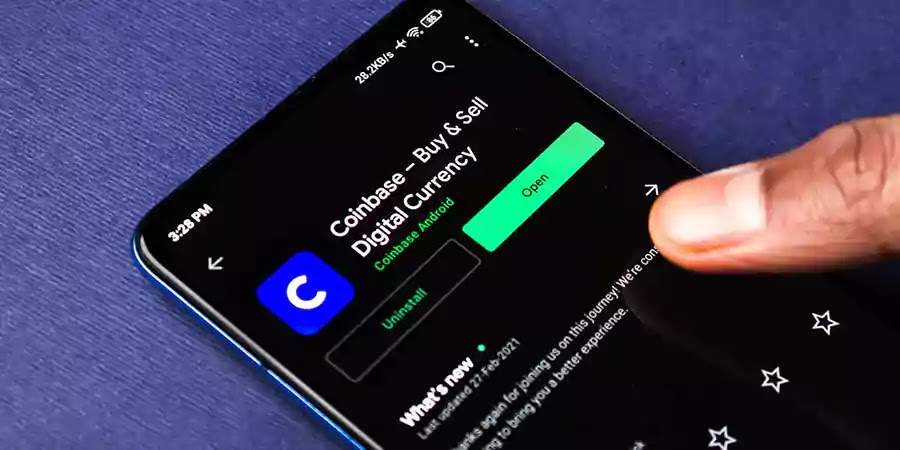
How the Coinbase Cryptocurrency Exchange Actually Works
Understanding the mechanics behind the platform helps you use it more confidently. Here is what happens under the hood when you carry out a transaction on Coinbase.
Buying Cryptocurrency
When you decide to buy, say, $200 worth of Ethereum, you select the asset, enter the amount in your local fiat currency or in the cryptocurrency itself, and confirm the transaction. Coinbase handles the exchange on the back end, sourcing liquidity from its internal market and from Coinbase Exchange, its professional trading arm.
The funds are typically credited to your Coinbase wallet almost immediately, though the actual settlement from your bank account may take a few business days depending on your payment method.
Selling Cryptocurrency
Selling works in reverse. You select the asset you want to sell, choose the amount, and confirm. The proceeds are converted to your local currency and deposited into your Coinbase cash balance, which you can then withdraw to your bank account.
Converting Between Cryptocurrencies
You can also convert directly from one cryptocurrency to another without going back to fiat currency first. This is useful when you want to shift your allocation without triggering a withdrawal or additional transfer steps.
How the Blockchain Fits In
Every transaction linked to your Coinbase wallet is ultimately recorded on the relevant blockchain. If you are sending Bitcoin to an external wallet, that transaction is broadcast to the Bitcoin network, validated by miners or validators, and permanently recorded. This is what gives cryptocurrency transactions their irreversibility, which is why it is critical to double-check wallet addresses before sending anything.
Understanding Your Coinbase Wallet Address
Your cryptocurrency wallet address functions somewhat like a bank account number. It is a unique string of characters that identifies where funds should be sent. Here is something critically important that new users often get wrong:
Each cryptocurrency has its own separate wallet address. Your Bitcoin address is entirely different from your Ethereum address. Sending Bitcoin to an Ethereum address, or vice versa, can result in a permanent loss of funds. Coinbase makes this reasonably clear in its interface, but it is worth internalizing before you carry out any transfers.
To find your wallet address for a specific asset, go to the asset's page on Coinbase and look for the "Receive" option. The platform will display your address as both a text string and a QR code.
Coinbase Fees: What You Will Actually Pay
Fees are one of the most important things to understand before committing to any exchange. Coinbase is not the cheapest option on the market, and being honest about that upfront matters. Here is a realistic breakdown of what you should expect.
Spread
Coinbase applies a spread of approximately 0.5% to the mid-market price when you buy or sell cryptocurrency. This means the price you see on Coinbase is slightly different from the raw market price, and that difference represents revenue for the platform.
Transaction Fees
In addition to the spread, Coinbase charges a flat transaction fee that varies based on the transaction amount and your payment method. Typical fees include:
- Transactions under $10: approximately $0.99
- Transactions between $10 and $25: approximately $1.49
- Transactions between $25 and $50: approximately $1.99
- Transactions between $50 and $200: approximately $2.99
- Transactions over $200: approximately 1.49% of the total
Payment Method Fees
- Debit card purchases: up to 3.99% in some regions
- Credit card purchases: typically around 2.00% or higher
- Bank transfers (ACH in the US): generally free, though funds may take a few days to settle
- SWIFT wire transfers: may include a fixed surcharge of around $25
- SEPA transfers (Europe): often free or very low cost
No Fees for Internal Transfers
One area where Coinbase does not charge you is transfers between two Coinbase accounts. Because both wallets are held within the same platform, no blockchain transaction is required, and therefore no network or processing fee applies. This can be useful if you are sending crypto to a friend or family member who also has a Coinbase account.
Coinbase Advanced Trade
If you are making larger trades and want to reduce your fees, Coinbase offers a professional trading interface called Coinbase Advanced Trade (formerly Coinbase Pro). Fees on Advanced Trade are significantly lower, using a maker-taker model that rewards high-volume traders. For regular investors who are buying and holding rather than actively trading, the standard Coinbase interface is usually fine. But if you are placing frequent or large orders, it is worth exploring Coinbase Advanced Trade.
The Key Advantages of Using Coinbase
There are real, substantive reasons why so many people choose Coinbase over competing exchanges. Let us go through the most meaningful ones.
1. Regulatory Compliance and Legal Standing
Coinbase is registered with the Financial Crimes Enforcement Network (FinCEN) as a Money Services Business and holds money transmission licenses in the states where they are required. This is not just a technicality. It means the platform operates within a legal framework that provides users with certain protections and accountability standards that unregulated exchanges simply do not offer.
2. Strong Security Track Record
Unlike many other exchanges that have suffered hacks or fund losses, Coinbase has maintained an exceptionally clean security record. The company stores the vast majority of customer funds in offline cold storage, which dramatically reduces exposure to online threats. The portion of funds kept online is covered by a commercial crime insurance policy.
Additionally, US dollar balances held in your Coinbase account are kept in custodial bank accounts and are covered by FDIC insurance up to $250,000 per user. It is important to note that this insurance covers your fiat balance, not the value of your cryptocurrency holdings.
3. Ease of Use for Beginners
The user interface on both the web and mobile platforms is clean, intuitive, and designed with non-technical users in mind. You do not need to understand order books, candlestick charts, or trading pairs to make a purchase. You select an asset, enter an amount, confirm, and you are done. That simplicity is genuinely valuable when you are just getting started.
4. Educational Resources
Coinbase has invested significantly in its educational offerings. The Coinbase Learn section covers everything from blockchain basics to how individual cryptocurrencies work. Some of these lessons even reward you with small amounts of cryptocurrency for completing them, which is a clever way to let new users get hands-on experience without spending their own money.
5. Recurring Buy Feature
One of the most practical features Coinbase offers is the ability to set up automatic recurring purchases on a daily, weekly, or monthly schedule. This aligns perfectly with a dollar-cost averaging strategy, where you invest a fixed amount at regular intervals regardless of price. Over time, this approach tends to reduce the impact of market volatility on your average purchase price.
6. Mobile App Quality
The Coinbase mobile app is available for both iOS and Android, and it is genuinely one of the better-designed financial apps you will come across. It allows you to monitor your portfolio, execute trades, receive price alerts, and manage your account settings from anywhere. The app consistently receives high ratings on both the App Store and Google Play.
7. Wide Asset Selection
While Coinbase is not the exchange with the absolute largest number of listed tokens, it offers a solid selection of well-established cryptocurrencies. More importantly, the listing process it uses means that assets on the platform have generally passed a meaningful review. You are less likely to encounter outright scam tokens compared to more permissive exchanges.
8. Staking and Earning Options
For certain assets, Coinbase allows you to earn rewards simply by holding them on the platform. This is available for proof-of-stake cryptocurrencies like Ethereum and Solana, among others. The rates vary and are subject to change, but for long-term holders, this can represent meaningful additional yield on assets they planned to hold anyway.
9. Institutional and Business Services
For companies and institutional investors, Coinbase offers a suite of tools under its Coinbase Prime platform, which provides custodial services, advanced trading capabilities, portfolio management, and dedicated account support. This makes Coinbase relevant not just for individual retail investors but for organizations that need to manage crypto assets at scale.

The Real Disadvantages of Coinbase You Should Know About
No platform is perfect, and Coinbase has drawbacks that are worth taking seriously before you commit to it as your primary exchange.
Higher Fees Compared to Competitors
This is the most frequently cited criticism of Coinbase, and it is legitimate. Compared to exchanges like Kraken, Binance, or even Coinbase's own Advanced Trade interface, the fees on the standard Coinbase platform are noticeably higher. If you are making frequent small purchases, those fees accumulate. For casual investors who buy and hold, this is less of an issue. But for active traders, the cost difference matters.
Customer Support Limitations
Coinbase has historically struggled with customer support, particularly during periods of high market activity when volumes spike. Response times can be slow, and reaching a human agent is not always straightforward. The platform has made improvements in this area, but it remains a genuine weakness, especially if you ever encounter an account access issue or a transaction problem that needs urgent attention.
Not Ideal for Advanced Traders
If you are an experienced trader who wants access to margin trading, futures, or a deep selection of altcoins, the standard Coinbase platform will feel limiting. The simplified interface that makes it great for beginners can feel restrictive once you know what you are doing. Advanced Trade helps bridge this gap, but even then, Coinbase does not offer the breadth of trading instruments that some specialist exchanges do.
Geographic Restrictions
Despite operating in a large number of countries, Coinbase is not available everywhere, and even within supported regions, some features may be restricted. Users in certain jurisdictions may find that specific assets, staking options, or payment methods are not available to them. Always check what is accessible in your specific country before assuming full functionality.
Crypto Held on the Platform Is Not Fully Yours Until It Leaves
This is a broader philosophical point about centralized exchanges, but it applies to Coinbase as much as any other. When your cryptocurrency sits in your Coinbase account, you do not actually control the private keys. Coinbase holds them on your behalf. In practice this is fine for most users most of the time, but it means you are trusting a third party with your assets. If Coinbase were ever to face insolvency or be subject to regulatory action, your access to those funds could theoretically be affected. For long-term holders of significant amounts, using a personal hardware wallet and moving assets off the exchange is a more secure approach.
Practical Tips for Getting the Most Out of Coinbase
Having spent a fair amount of time with this platform, here are the strategies and habits that actually make a difference for real users.
Use Dollar-Cost Averaging
Set up a recurring purchase for an amount you are comfortable with, whether that is $25 a week or $100 a month, and let it run automatically. This removes the temptation to time the market, which most people do badly, and builds your position gradually over time. Coinbase makes this feature easy to set up and manage.
Check the Prices Section Regularly
Before making any purchase, visit the Prices section of Coinbase to see the current market value of the assets you are interested in, as well as how they have performed over the last 24 hours, 7 days, and beyond. You do not need to become a technical analyst, but having a basic sense of where an asset stands relative to recent history helps you make more informed decisions.
Enable All Security Features
Use two-factor authentication through an authenticator app rather than SMS if you can. Consider setting up Coinbase's advanced security options, including withdrawal address whitelisting, which limits where your funds can be sent. These steps take a few minutes to set up and significantly reduce your risk.
Use Coinbase Advanced Trade for Larger Purchases
If you are making a purchase of more than a few hundred dollars, the fee difference between the standard Coinbase interface and Advanced Trade becomes meaningful. On Advanced Trade, you can place limit orders at specific price points, which also helps you get better entry prices on larger positions.
Take Advantage of Coinbase Earn
Go through the educational content in the Learn and Earn section. You will gain useful knowledge about different cryptocurrencies, and you will receive small amounts of crypto for completing each lesson. It is a genuinely useful way to get familiar with assets before deciding whether to invest in them.
Keep a Record of Your Transactions
Cryptocurrency taxation is a reality in most countries. Coinbase provides transaction history and tax reporting tools, but it is still a good practice to maintain your own records. Know what you bought, when you bought it, at what price, and what you eventually sell it for. This will save you significant headaches come tax season.
Consider Moving Long-Term Holdings Off the Exchange
If you plan to hold a significant amount of cryptocurrency for years without touching it, consider transferring it to a hardware wallet such as a Ledger or Trezor device. These keep your private keys offline and give you direct control over your assets. Coinbase makes it easy to send to external wallets when you are ready to take that step.
Coinbase vs. Competing Cryptocurrency Exchanges
Understanding where Coinbase sits relative to its competitors helps you make a more informed choice. Here is a realistic comparison of the main factors.
Coinbase vs. Binance
Binance offers significantly lower fees and a far larger selection of cryptocurrencies than Coinbase. However, Binance has faced serious regulatory scrutiny in multiple countries, including the United States, where its operations have been constrained. Coinbase's stronger regulatory standing makes it a more reliable choice for users who prioritize legal clarity and institutional credibility. Binance is generally better for experienced traders who want access to a wider range of tokens and lower trading costs.
Coinbase vs. Kraken
Kraken is a strong competitor that also prioritizes security and regulatory compliance. It offers lower fees than standard Coinbase, a solid selection of assets, and strong customer support. Where Coinbase typically wins is in ease of use and the quality of its mobile experience. Kraken's interface is more suited to users who are comfortable with traditional trading concepts. Both are reliable choices.
Coinbase vs. Gemini
Gemini, founded by the Winklevoss twins, shares Coinbase's focus on regulatory compliance and security. It has a somewhat smaller asset selection and a less polished interface, but it is a legitimate alternative worth considering, particularly for US-based users. Gemini's Earn program and daily transaction limits may be factors depending on your use case.
Is Coinbase Safe? An Honest Security Assessment
Security is naturally the question on everyone's mind when choosing a platform to manage their money. Here is an honest look at where Coinbase stands.
Coinbase has never experienced a significant security breach resulting in the loss of customer funds from its core exchange. This alone distinguishes it from a long list of exchanges that have suffered devastating hacks. The Mt. Gox collapse, the Bitfinex hack, and numerous other incidents have underlined just how important this track record is.
The company's approach to security includes:
- Storing approximately 98% of customer cryptocurrency in offline cold storage
- Encrypting sensitive data in transit and at rest
- Maintaining a commercial crime insurance policy for online holdings
- FDIC insurance on USD balances up to $250,000
- Mandatory identity verification for all accounts
- Two-factor authentication and device management tools
- A dedicated security team and regular external audits
None of this means Coinbase is completely without risk. No online platform is. But given its track record and the security infrastructure it has in place, it represents one of the more trustworthy options currently available in the crypto exchange market.
For additional reference, you can review Coinbase's security practices directly on their security information page.
Understanding Coinbase's Role in the Broader Crypto Ecosystem
Coinbase is more than just a place to buy and sell digital currency. Over the years, it has expanded into several adjacent areas that reflect its broader vision for the cryptocurrency economy.
Coinbase Wallet
Separate from the main Coinbase app, Coinbase Wallet is a self-custody wallet that gives you direct control of your private keys. It supports a wide range of cryptocurrencies and allows you to interact with decentralized applications (dApps), participate in decentralized finance (DeFi) protocols, and manage NFTs. It is aimed at more advanced users who want the security of self-custody without giving up the Coinbase ecosystem entirely.
Coinbase NFT and Web3 Initiatives
Coinbase has made significant moves into the NFT space and broader Web3 infrastructure, including the development of Base, an Ethereum Layer 2 network designed to make blockchain transactions faster and cheaper. These initiatives signal that Coinbase sees itself as a long-term infrastructure provider for the decentralized internet, not just a cryptocurrency trading platform.
Coinbase for Business
Through Coinbase Commerce, businesses can accept cryptocurrency payments from customers around the world. Through Coinbase Prime, institutional clients can access custody, trading, and financing services built for the needs of professional organizations. These products extend Coinbase's reach well beyond the retail investor market.
Frequently Asked Questions About Coinbase
Is Coinbase available in my country?
Coinbase operates in more than 100 countries, but availability varies. The platform is fully operational in the United States, Canada, the United Kingdom, most of Europe, Australia, and many other regions. You can check whether your country is supported by visiting the Coinbase supported regions page.
How long does identity verification take on Coinbase?
For most users, identity verification is completed within a few minutes using Coinbase's automated verification system. During periods of high demand, it can take up to 48 hours. Having a clear, valid government-issued ID and good lighting for your selfie improves the chances of fast approval.
Can I use Coinbase without verifying my identity?
No. Coinbase requires identity verification for all users before any buying, selling, or withdrawal activity can take place. This is a legal requirement tied to anti-money laundering regulations and KYC standards that apply to all regulated financial platforms.
What happens to my cryptocurrency if Coinbase goes out of business?
Coinbase maintains that customer cryptocurrency assets are held separately from company assets and would not be part of any bankruptcy estate. However, this is a nuanced legal question that has not been tested in practice at Coinbase specifically. To eliminate this risk entirely, the safest approach is to move your long-term holdings to a self-custody hardware wallet where you control the private keys.
Does Coinbase report to tax authorities?
Yes. In the United States, Coinbase reports certain transaction information to the IRS and issues 1099 forms to qualifying users. Similar reporting obligations exist in other countries where Coinbase operates under financial regulations. Cryptocurrency transactions are taxable events in most jurisdictions, so keeping your own records and working with a tax professional familiar with crypto is strongly recommended.
Can I earn interest on my cryptocurrency with Coinbase?
Yes, through Coinbase's staking feature, you can earn rewards on certain proof-of-stake cryptocurrencies by simply holding them in your account. The available assets and reward rates change over time, so check the current offerings in the Coinbase app or website.
What is the minimum amount I can invest on Coinbase?
The minimum purchase amount varies by asset and payment method, but it is generally around $2. This makes Coinbase accessible even if you want to start with a very small amount while you learn how the platform works.
Is Coinbase good for long-term investing?
Coinbase is well-suited to a long-term buy-and-hold strategy, particularly because of its recurring buy feature, its relative security, and its straightforward interface. The fees are higher than some alternatives, which is worth factoring in. But for the majority of long-term investors who are not making high-frequency trades, the convenience and peace of mind Coinbase offers tends to outweigh the cost difference.
How do I withdraw money from Coinbase to my bank account?
To withdraw, you first sell your cryptocurrency for fiat currency within the platform. The proceeds go into your Coinbase cash balance. From there, you can initiate a transfer to your linked bank account. Processing times depend on your bank and payment method, typically ranging from one to five business days for standard transfers.
What is Coinbase Advanced Trade?
Coinbase Advanced Trade is a professional trading interface integrated directly into Coinbase. It provides access to real-time order books, limit orders, stop orders, and significantly lower trading fees using a maker-taker fee structure. It is designed for experienced traders who need more control and lower costs than the standard simplified interface provides.
Conclusion: Is Coinbase the Right Cryptocurrency Exchange for You?
After everything we have covered, the answer to that question depends on what you are looking for. If you want a platform that is easy to use, has a strong security track record, operates within a clear regulatory framework, and does not require you to become a trading expert before you can make your first purchase, then Coinbase is an excellent choice. For the vast majority of people who are getting started with cryptocurrency, it is one of the best entry points available.
If, on the other hand, you are an experienced trader looking for the lowest possible fees, access to a very wide range of altcoins, or advanced derivatives trading, you will likely find Coinbase limiting and may want to explore other platforms alongside it.
The good news is that you do not have to make a permanent commitment. Creating an account costs nothing. You can explore the platform, take advantage of the educational resources, set up a small recurring purchase, and see how it feels before deciding whether it fits your goals.
Cryptocurrency carries real risk, and no exchange, no matter how reputable, eliminates that risk entirely. But if you are going to be in this space, doing so on a platform with the track record, transparency, and infrastructure of Coinbase is a reasonable way to start. Take your time, invest only what you can afford to hold through volatility, and use the tools the platform gives you to stay informed.
The door to the crypto economy is open. The question is just how you choose to walk through it.
Ready to Get Started with Coinbase?
Opening an account takes just a few minutes and costs nothing. Once you are set up, you can explore the platform, access free educational content, and make your first purchase with as little as a few dollars. There is no better way to learn than by experiencing it firsthand, with a small amount you are comfortable with.
Create your free Coinbase account today and take the first step toward building your cryptocurrency portfolio on one of the most trusted platforms in the industry.

[email protected]